Doing Business in the Gulf With the Right Words.
25 May, 2026· Article by Taylor Anderson


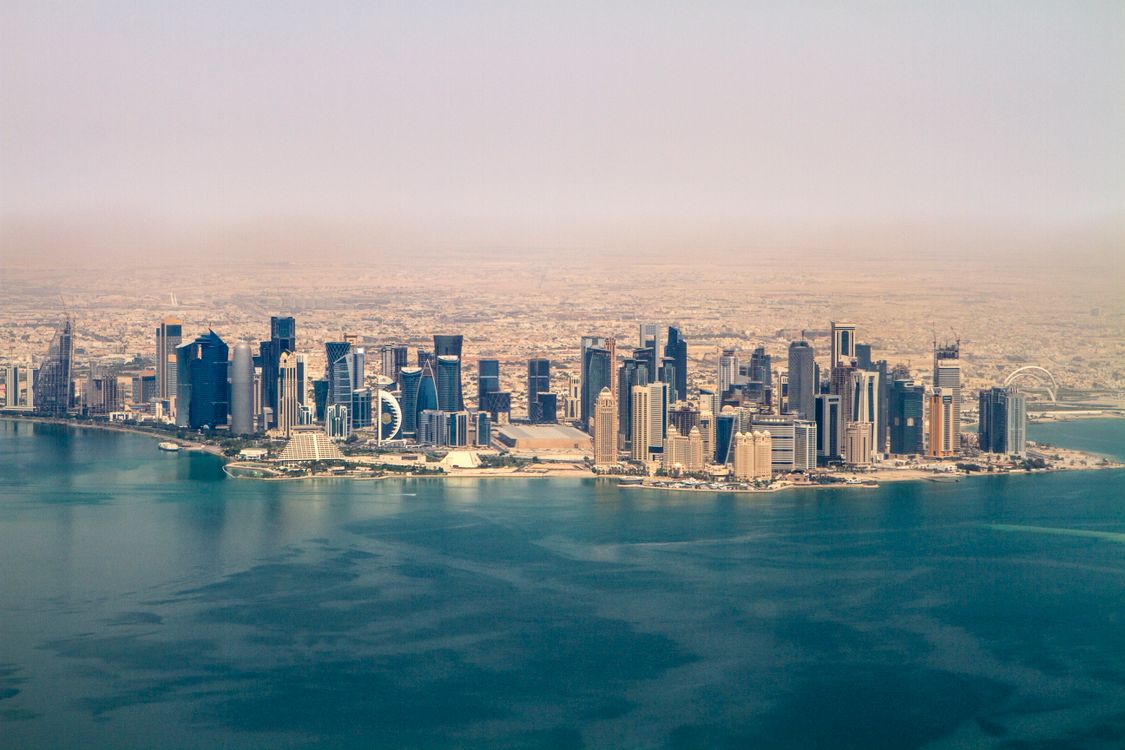
The Gulf has become one of the most attractive regions for companies that want to grow beyond their home markets. Large infrastructure plans and diversified economies and a young population create real demand for foreign products and services. Yet success depends on more than a good offer. Local partners and officials and customers expect communication that respects their language and customs. This guide explains the key points that foreign companies should understand before they write a single page for the region.
A Region Worth Understanding
The countries along the Arabian Gulf share many traditions but also differ in laws and business culture. Each has its own priorities for investment and its own rules for foreign companies. Visitors from abroad often discover that meetings follow a slower rhythm and that personal trust matters more than a perfect presentation. Taking time to learn these habits shows respect and opens doors. Written materials play an important role in this first impression and should reflect the same care.
Six Countries and One Cooperation Council
Six states form the Gulf Cooperation Council which coordinates economic and trade policy among its members. Rules on customs and standards are partly shared and partly specific to each country. Companies that plan to sell across the region must check local requirements for labels and certificates and company registration. Documents that serve one market may need adjustments in another. A clear overview of these differences saves time and prevents costly corrections at the border.
Written Arabic and Spoken Arabic
Written communication across the region uses Modern Standard Arabic which is understood by educated readers everywhere. Daily speech however varies from country to country and sounds quite different. Brochures and contracts and manuals follow the written standard while advertising and social media may use a more local flavour. Companies should decide early which style fits each type of content and make sure their writers follow it consistently across all materials.
English in Business and Its Limits
English is widely used in international trade and many managers speak it fluently. This leads some foreign firms to skip local language material altogether. The strategy works in meetings with senior executives but it fails with the wider public and with government offices. Official forms and consumer information must appear in Arabic. Even when English is accepted a version in the local language signals commitment and builds trust with partners who value long term relationships over quick deals.
Relationship Before Contract
Business in the region grows from personal relationships. Introductions and repeated meetings matter before any contract is signed. Written messages should reflect politeness and patience. Greetings and expressions of goodwill are not wasted words but an essential part of the message. A direct and hurried email may be seen as rude. Writers who understand these conventions create a positive atmosphere and make negotiations smoother. A native speaker can advise on the right balance between warmth and clarity.
Company Profiles and Brochures
A company profile is often the first document a potential partner reads. Experienced business translation services adapt the profile instead of converting it word for word. They choose a tone that reflects respect and confidence and they adjust examples to local interests. Photos and symbols are reviewed for cultural fit. The goal is a document that feels written for the Gulf market and not just handed over from another country at the last moment.
Contracts and Legal Texts
Contracts require absolute precision. Legal systems in the region mix civil law and religious principles and local regulations. Terms such as liability and warranty and arbitration may have different meanings from those in common law countries. A translator without legal training can create serious misunderstandings. Companies should involve a local lawyer and a specialised linguist and decide which language version will prevail. This decision should appear clearly in the agreement to avoid disputes in case of disagreement.
Right to Left Layouts
Arabic is written from right to left and this affects the whole layout of a document. Page numbers and tables and charts must be mirrored. Numbers and Latin words inside a sentence create mixed direction that many programs handle poorly. Design teams should use software that supports bidirectional text and should test fonts carefully. A final review by a native reader is essential because errors in direction or in connected letters are easy to overlook and look unprofessional.
Names and Forms of Address
Names in the region often include family and tribal elements and honorific titles. Using the wrong order or omitting a title can offend. Business cards and letters should present names consistently in both scripts. The transliteration of names into Latin letters can vary and must match official documents such as passports. Creating a contact sheet with the preferred spelling of each person avoids confusion in correspondence and in legal paperwork prepared later in the relationship.
Websites and Online Shops
Online buyers in the Gulf are active and demanding. A site that offers full arabic translation services coverage including product pages and checkout and customer emails earns more trust than one with a partial version. The interface must be mirrored and the payment methods should match local habits. Cash on delivery and local cards remain popular. Testing the full purchase journey with native users reveals small problems that can silently reduce sales.
Calendars and Holidays and Timing
The working week in many Gulf countries differs from the Western pattern and the month of Ramadan changes business hours and shopping behaviour. Campaigns and deadlines must take these periods into account. Dates in documents may appear in two calendars so clarity is essential. Planning launches and meetings with local advice avoids clashes and shows consideration. A calendar of national holidays and religious events should be part of every project plan targeting the region.
Practical Next Steps
Entering the Gulf market is a long term effort. Learn the local customs and decide which materials need adaptation and select qualified partners for language and law. Start with a small set of high impact documents and expand once the first results arrive. Collect feedback from local colleagues and customers. Companies that invest in respectful and precise communication build trust that supports growth for many years in one of the most dynamic regions of the world.
Recent Posts

Seltene Sprachen professionell...

How to Judge a Language Partne...

Langues rares, comment trouver...

Ideogrammi e Cirillico Due Sfi...

Tribunale e Documenti Stranier...
Cómo Organizar un Congreso In...
Share it.

We use cookies
We use cookies to give you the best online experience, remember your preferences, and understand how the site is used. You can accept all cookies, reject optional ones, or choose which categories to allow.
Privacy PolicyCookie preferences
Choose which cookies we can use. Necessary cookies stay on because the site cannot work without them.
For more details, read our Privacy Policy.